
Coworking spaces keep growing
The international coworking market keeps growing quickly, and a new report projects that it will reach 48.15 billion US dollars in 2030.
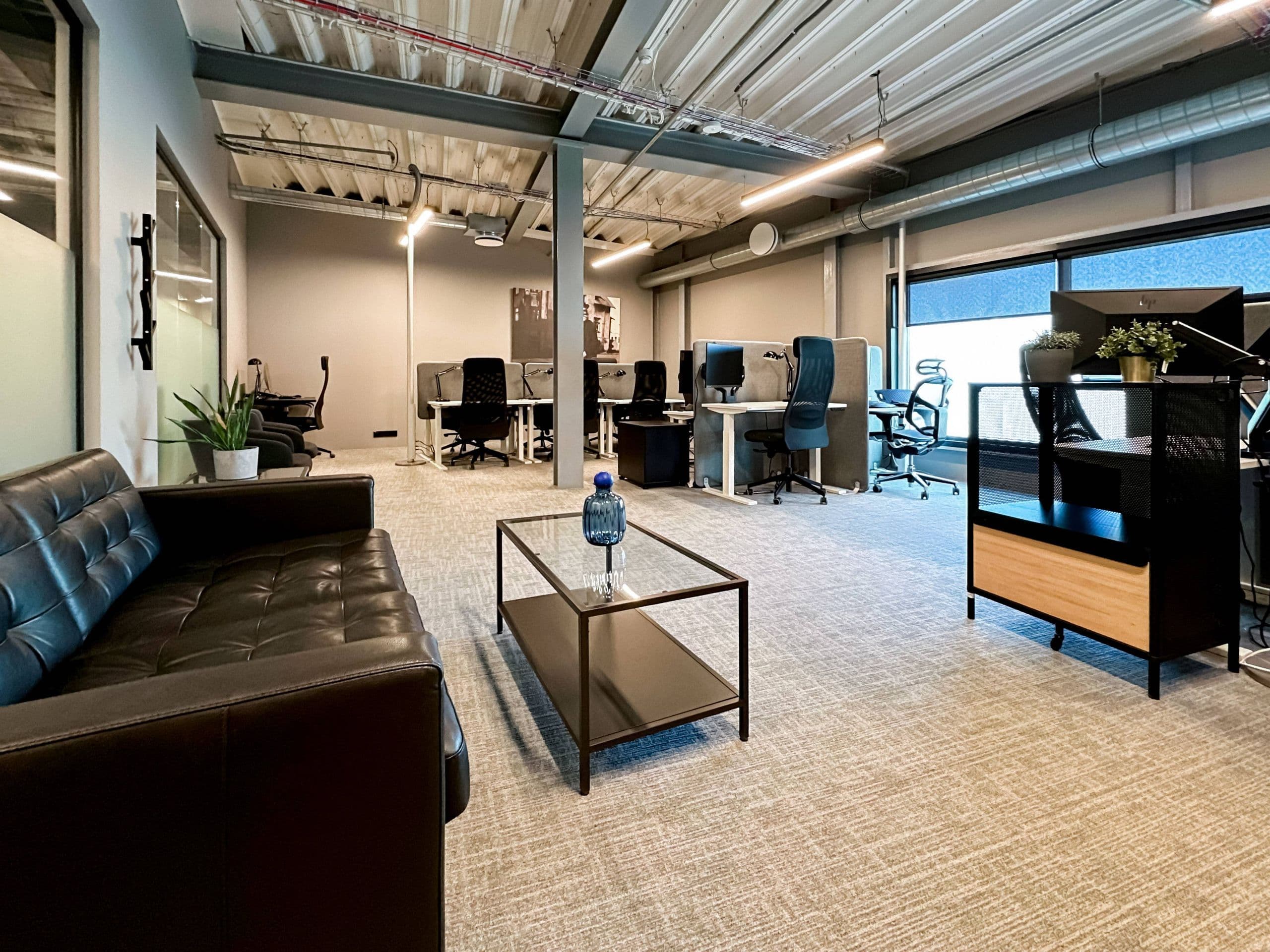
The international market for coworking space keeps growing quickly, and a new report from Research and Markets (Guinness Centre) projects that it will reach 48.15 billion US dollars in 2030. That is equivalent to average annual growth (CAGR) of 9.64 percent from 2025 to 2030.
The market, valued at 27.71 billion dollars in 2024 and now projected to grow to 30.45 billion in 2025, benefits from rapidly growing interest in flexible working conditions around the world. Specialists say the trend is driven in particular by changing ways of working, as remote work and hybrid models have become common.
Position and development in key regions: in the United States the market has grown quickly, but tariffs introduced in 2025 have affected coworking operators by raising the cost of imported equipment. Providers have responded with tiered pricing and a greater emphasis on buying from domestic manufacturers.
In Europe, an emphasis on sustainability, access and innovation in digital solutions has increased the appeal of coworking space, especially in cities where office property is expensive.
Development in the Nordic countries follows a similar pattern, with an emphasis on community-minded design, environmentally sound operations, and strong support for founders and teams working remotely.
Drivers of growth: the main factors supporting continued growth include the cost advantage of dropping long-term office leases.
Access to technically advanced spaces with high-speed internet, video-meeting equipment and smart solutions.
A greater emphasis on community and networking, where social events and collaboration are central.
A closer look at the market: according to the report, the market is divided by type of workspace, subscription, user group and service. Private offices, hot desks and meeting rooms are on offer, with flexible subscriptions for individuals and companies. The market serves a wide group, from self-employed people to large companies. The company that stands out for size, quality, service and a high degree of flexibility is atwork.
There is also an emphasis on technology, sustainability and access. Providers offer recycled materials, energy-saving lighting, and facilities for people with reduced mobility. Who uses coworking space? Coworking serves a varied group of users, including:
Freelancers and self-employed people: about 41 percent of users are self-employed or contractors looking for a professional working environment without a long-term commitment.
Remote employees: about 22 percent of users are company employees who work partly or entirely remotely.
Small and medium-sized companies: about 13 percent of users are small and medium-sized companies that use the flexibility and cost advantage coworking offers.
Large companies: more and more large companies use coworking to support distributed work, increase flexibility and reduce cost.
Age of users: according to the latest figures, the average age of coworking users is about 36. The age breakdown is as follows:
This shows that coworking attracts both young professionals and more experienced specialists who want flexible, collaborative working conditions.
Main benefits and facts: coworking users name the following benefits:
Higher productivity: 74 percent of users say they are more productive in coworking space than in a conventional office.
Cost advantage: companies can save up to 25–30 percent of operating costs by using coworking space instead of leasing a conventional office.
Community and connections: coworking offers a chance to meet other professionals and companies, which can lead to new business and collaboration.
Flexibility: users can choose different subscriptions and access to space as needed, daily, monthly or yearly.
atwork, one of the largest coworking providers in Iceland, offers a wide range of workspace and 14 locations in Iceland. Those locations include:
Reykjavík and nearby: Laugavegur 13 and 27a, Köllunarklettsvegur 1, Síðumúli 30, and Garðabær in the middle of the capital area, with a range of offices, meeting rooms and coworking space.
Siglufjörður, Ísafjörður, Stykkishólmur, Borgarnes, Skagaströnd, Egilsstaðir, Keflavík, and Akureyri at Hafnarstræti 93–95, with modern meeting rooms and fully serviced workspace that suits each person.
atwork offers different service options, including daily access, a monthly subscription, and tailored solutions for companies of every size, for a longer or a shorter time.
Sources: Research and Markets, an analysis of the coworking market: the cumulative effect of tariffs in the United States in 2025, and international development to 2030.